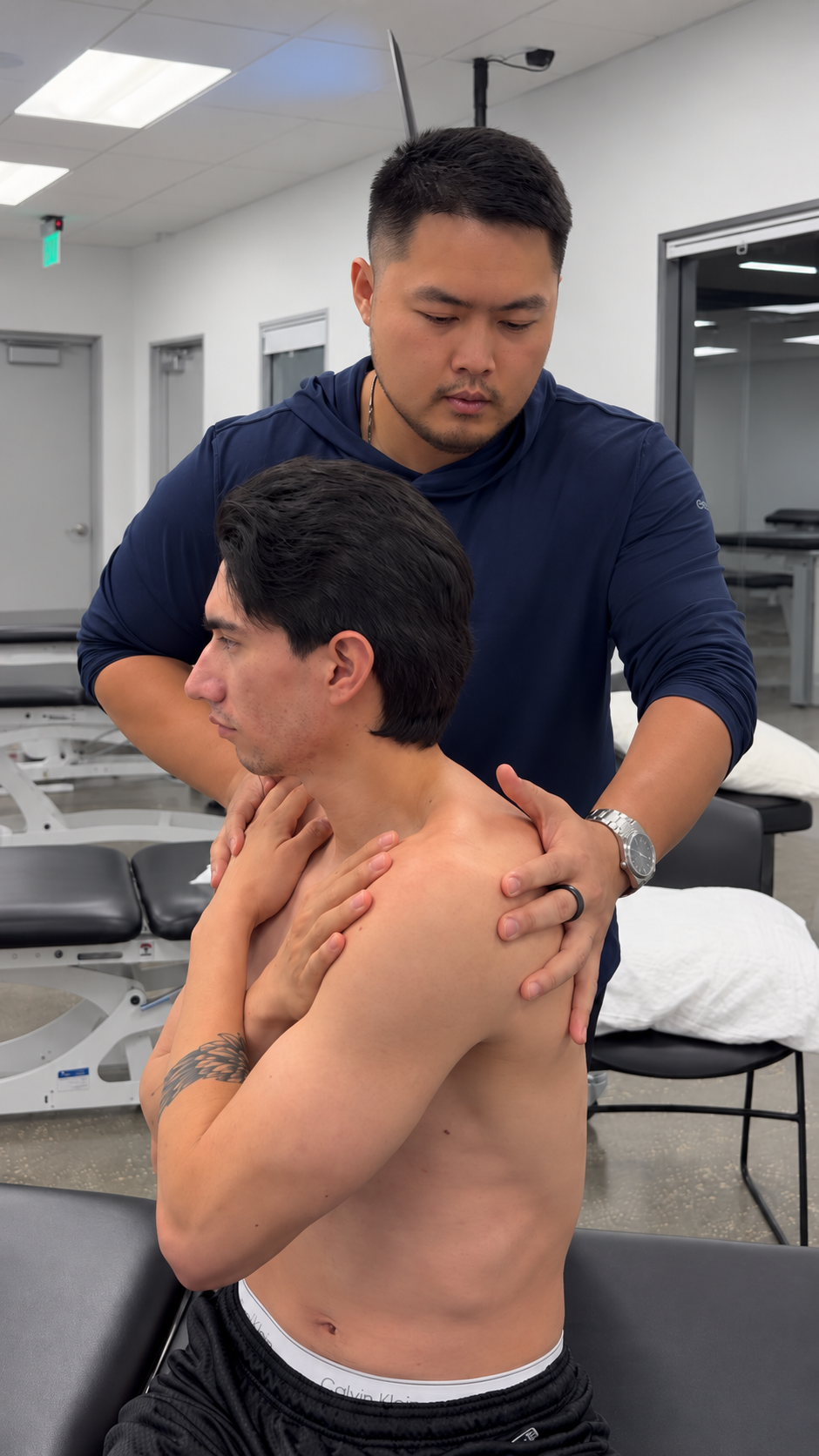
Neck and shoulder pain can be frustrating, especially when it improves for a while and then returns as soon as you get back to lifting, working at your desk, traveling, or exercising.
One reason this happens is that the painful area does not always tell the whole story.
The neck, upper back, shoulder blade, and shoulder all have to work together. When mobility or control is limited in one area, another region may start taking on more stress.
Good movement requires more than simply having strong muscles.
Forge PT uses the IPA Functional Mobilization approach that looks at three interacting components: mechanical capacity, neuromuscular function, and motor control. In simpler terms, your body needs enough mobility, enough strength, and the ability to coordinate those pieces efficiently.
For someone with neck or shoulder pain, that may mean looking at more than the exact spot that hurts.
A physical therapist may assess:
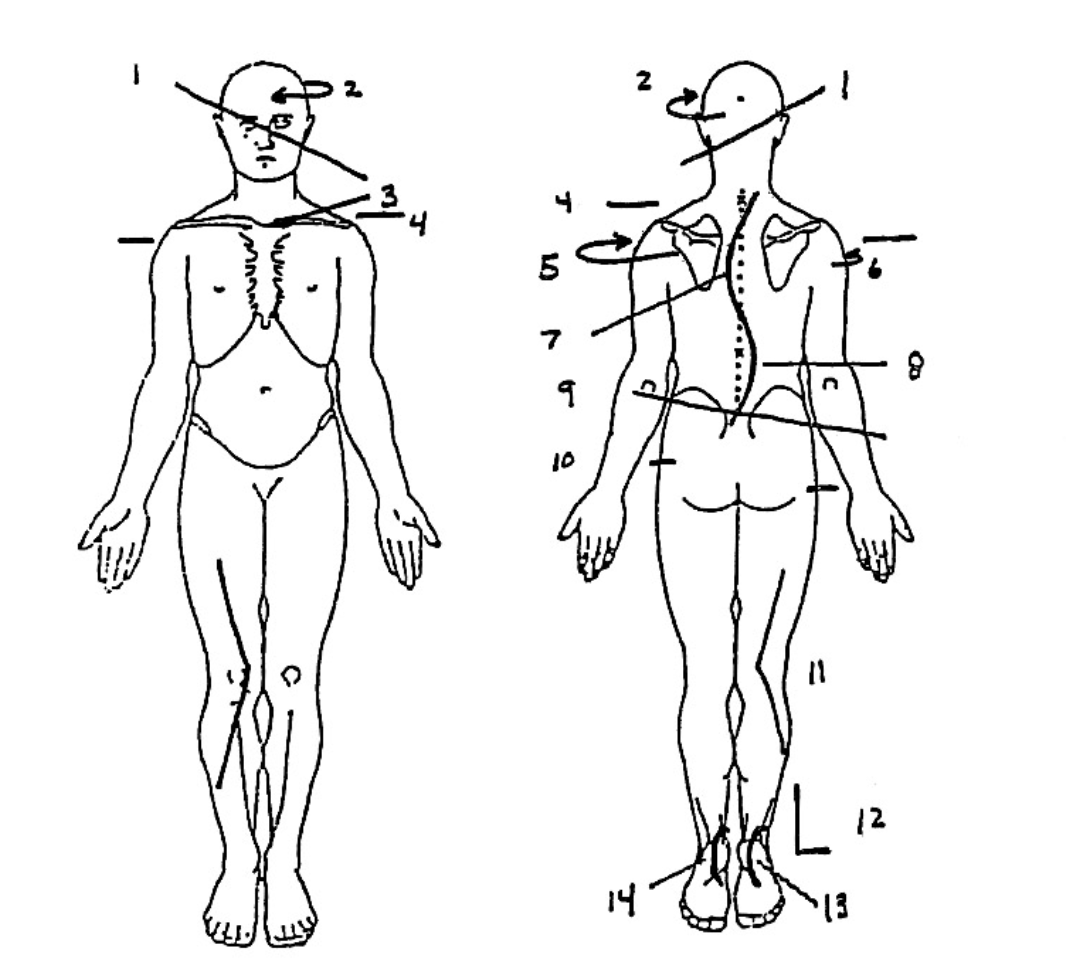
Imagine your upper back is stiff during rotation or reaching overhead. Your neck or shoulder may compensate by creating more movement somewhere else.
Similarly, if the muscles controlling your shoulder blade are not working efficiently, other tissues around the neck and shoulder may have to work harder.
Over time, these compensations can create areas of excessive stress. Repetitive stress, habitual movement patterns, and inefficient posture can contribute to what we call “weak links” within the movement system.
That does not mean posture needs to be perfect or that every asymmetry is a problem. It means the goal is to determine whether a particular limitation is actually affecting how you move.
Manual therapy can be useful when a joint or soft tissue restriction is limiting movement.
The goal is not simply to “loosen tight muscles.” We help identify the specific location, depth, and direction of a soft tissue restriction and then reassess how movement changes after treatment.
But hands-on treatment is only part of the process.
Improved mobility becomes much more useful when it is followed by exercise that helps your body control that movement during lifting, working, running, swimming, or whatever activity matters to you.
Two people can both have shoulder pain while bench pressing and need completely different treatment.
One person may lack shoulder mobility. Another may have limited thoracic movement. Someone else may move well but have difficulty controlling the shoulder blade under load.
That is why effective physical therapy should involve identifying the specific factors contributing to your symptoms rather than giving everyone the same stretching or strengthening program.
If your neck or shoulder pain keeps returning, it may be worth looking beyond the painful area itself.
Improving the health of your neck, upper back, and shoulders can help reduce unnecessary stress and improve your ability to tolerate the activities you want to do.
At Forge Physical Therapy in Corte Madera, treatment is individualized around how you move, what is limiting you, and what you want to get back to doing.
.svg)
.svg)
.svg)